If you could make one wish come true, what would it be?
Established in 1980, Make-A-Wish is a nonprofit organization on a mission to grant life-changing wishes for children with critical illnesses. Today, the organization has proudly granted more than 585,000 wishes worldwide, fostering hope and resilience in the lives of each child and their loved ones.
Just west of downtown Milwaukee is the Make-A-Wish Wisconsin headquarters. The chapter was established in 1984 and has since become a community change-maker, granting upwards of 400 wishes annually. In October, Make-A-Wish Wisconsin granted its 9,000th wish, a memorable milestone for the chapter.
In a recent conversation with Make-A-Wish Wisconsin’s Senior Director of Marketing and Communications, Forrest Doolen, he provided insight on the wish process, shared chapter success stories and gave examples of how the community can get involved.
Understanding the wish process
To qualify for a wish, a child must be between the ages of 2 1/2-18 at the time of referral and have received a critical illness diagnosis from the treating physician that meets the Make-A-Wish criteria. Once a child qualifies, a wish-granter meets with the child and their family to determine a wish. The Wisconsin chapter currently has over 450 volunteer wish-granters. These individuals are community members who care about the Make-A-Wish mission and want to make a positive impact on the lives of others.
Each wish often falls within one of the following four categories:
- I wish to go…
- I wish to be…
- I wish to meet…
- I wish to have…
“Research shows children who have wishes granted can build the physical and emotional strength they need to fight a critical illness. This may improve their quality of life and produce better health outcomes. The wish also replaces fear with confidence, sadness with joy and anxiety with hope,” said Doolen. “A wish gives children renewed energy and strength, brings families closer together and unites communities. A wish positively impacts the life of a child – and will forever enrich those who help grant the wishes. There are very few experiences more powerful than making a wish come true.”
The wish fulfillment process is intended to be stress-free for the wish recipients and their families. There is no specific timeline for when a wish must be fulfilled, as each child’s circumstance is different, and the cost of the wish is completely covered by Make-A-Wish.
Made for the stage: The story of Lulu
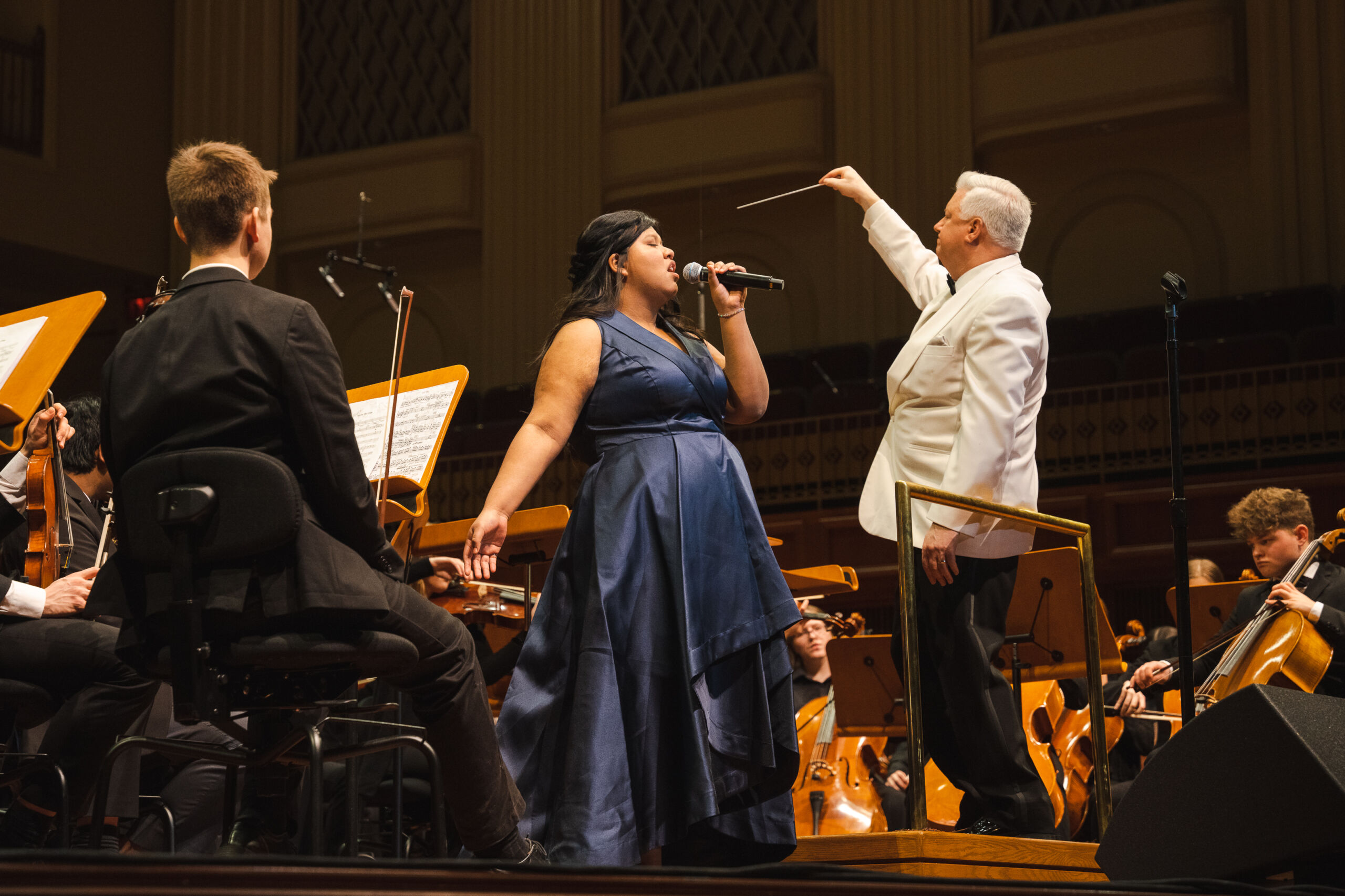
At the age of 10, Lulu was diagnosed with an autoimmune disease that kept her blood from clotting. She was able to fight the disease with chemotherapy and steroids. However, by the age of 16, a blood clot in the brain led doctors to diagnose Lulu with Lupus, an autoimmune disease with no cure.
When Lulu’s physician approached her with information about Make-A-Wish, Lulu shared her desire to sing with an orchestra. Her wish came true when she performed on stage with the Milwaukee Youth Symphony Orchestra at the Bradley Symphony Center.
Simple joys: The story of Cozzy
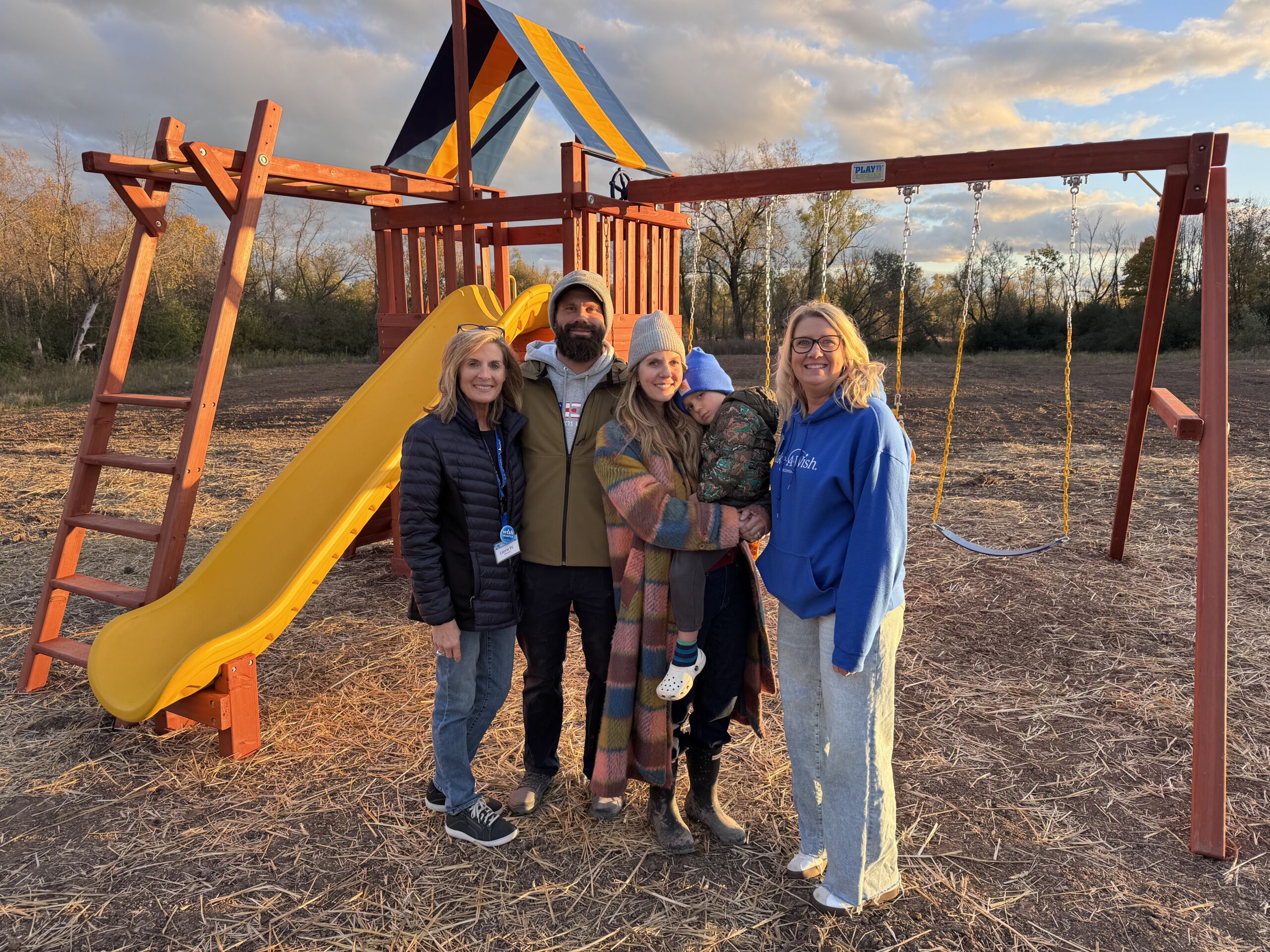
Cozzy is a six-year-old boy battling leukemia, a form of blood cancer. In October, Make-A-Wish Wisconsin was able to grant Cozzy his wish for a backyard playset.
“Granting Cozzy’s wish to have an outdoor playset was about pure joy. Cozzy was so excited to have his own space to run and play. His wish exemplifies the 9,000 wishes we have granted since 1984, providing the hope and joy that Cozzy and his family need. I am always reminded of the ripple effect of a wish and how it can impact not only the child and family, but entire communities. I love how a community comes together to rally around each child and to give them a life-changing wish,” said Doolen.
 Community collaboration
The magic of wish-granting depends on raising the necessary funds.
“Make-A-Wish Wisconsin is a privately funded 501 (c)(3) nonprofit organization, and it depends on the contributions of individuals, companies, foundations, organizations and fundraisers,” said Doolen. “We could not begin to do this work without the help of our community. The average cost of a wish is about $9,000 in cash. We have budgeted to grant 437 wishes this year alone, so there are a lot of funds we need to raise.”
Fortunately, there is never a shortage of ways to get involved. Examples of involvement include monetary donations, toy drives, the donation of products and services, fundraisers, campaigns and sponsorships. Make-A-Wish Wisconsin also runs Wishmakers of Wisconsin, a group of emerging leaders who give back to the community through advocating, planning and attending Make-A-Wish events.
Each year, the chapter hosts its signature benefit gala, Wish Night, along with Cheers for Wishes, a Mardi Gras-themed fundraiser. December is an especially busy month for Make-A-Wish Wisconsin, featuring a fun Skating with Santa event and their two-day Wishful Giving iHeartRadio campaign.
Learn more about Make-A-Wish Wisconsin by visiting the chapter’s website: https://wish.org/wisconsin® Wisconsin