During his opening remarks at last month’s inaugural Food and Beverage (FaB) Wisconsin Membership Conference, Palermo Villa Incorporated Chairman and CEO Giacomo Fallucca referred to Wisconsin as the “Silicon Valley” of food.
Although he said it jokingly, Fallucca made a strong point. According to 2025 data, seven of the 10 largest food companies in the world operate in Wisconsin, and the food and beverage industry produces over 246,000 jobs statewide. Wisconsin’s success in this space is no coincidence. It is a result of industry leaders who prioritize strong connections and meaningful dialogue, both of which were on display at the FaB Membership Conference. The first-ever event featured a sold-out tradeshow with more than 40 participating companies, timely breakout sessions and plenty of great networking opportunities.
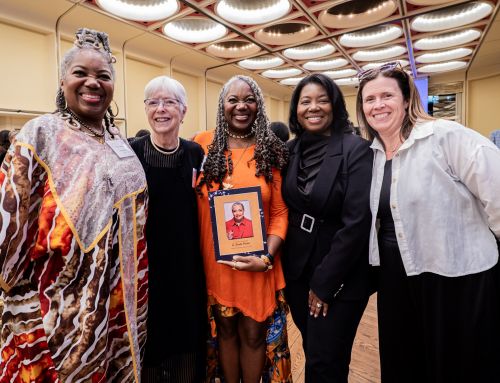
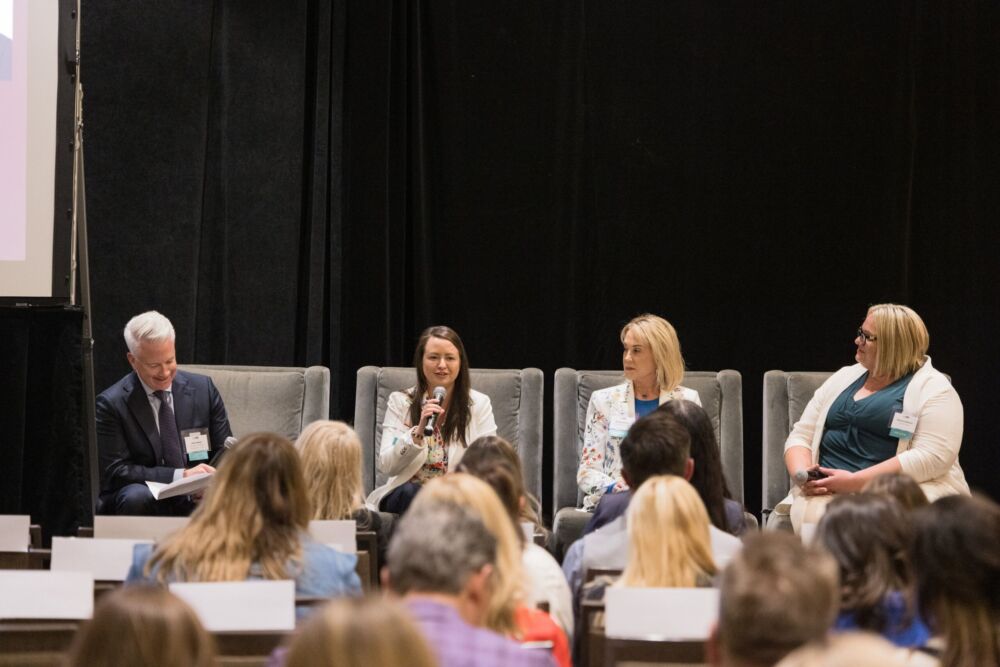 Attendees listened to a moderated panel discussion featuring Amanda Kroener, Co-Founder of Carbliss; Shawna Nelson, CEO of Organic Valley; and Shelly Stayer, Chairwoman of Johnsonville, moderated by John Miller, Secretary and CEO of the Wisconsin Economic Development Corporation.
The three leaders shared their insights on business growth, industry trends, impactful mentorship and running Wisconsin operations. Although diverse in product offerings and clientele, each panelist reiterated the importance of building brands centered around community.
In 2019, Kroener and her husband Adam launched Carbliss, a handcrafted cocktail brand. Today, Carbliss is ranked as the number one fastest-growing food and beverage company on the 2025 Inc. 5000 list. This impressive growth didn’t happen overnight; it was the result of intentional and relationship-based expansion.
“…we go state by state, community by community. We build relationships and stay personal so that as we’re growing, it’s a lot easier than ping-ponging all over the place or going national and not truly building a personal brand all the way to the actual consumer,” said Kroener.
Even as Carbliss continues to broaden its reach, Kroener emphasized the benefits of keeping Wisconsin as the home base.
“…we couldn’t have done anything that we’ve done to this point without the people of Wisconsin supporting us and being so loyal from the very beginning,” she said.
Stayer of Johnsonville echoed Kroener’s sentiment. The global sausage brand got its start in 1945 as a small town, family-owned shop. Although the company has grown exponentially and made a name for itself in over 45 countries, the Johnsonville headquarters remain in Wisconsin.
“Authenticity is a huge thing,” said Stayer. “You see the barns on [competitors’] labels… They’re not made in Wisconsin.”
In fact, Organic Valley’s business model hinges on brand authenticity. As a farmer-owned operation, the company prides itself on selling real food produced by real people. According to Nelson, 15,000 dairy farmers went out of business in 2020. This decline in farms impacts not only the organic food industry, but also individuals in communities across Wisconsin who depend on farming jobs to make a living. As Organic Valley CEO, Nelson is on a mission to revive Wisconsin’s farming ecosystem and ensure that it thrives for generations to come.
“…as a farmer-owned co-op, we’re not thinking about the people that are in the boardroom today; we’re thinking about the farmers that are the kids or the grandkids, or the ones that aren’t even born yet,” said Nelson.
The three leaders ended the panel by sharing their favorite Wisconsin food and beverages. It’s no surprise that their responses came to them immediately and were accompanied by a meaningful anecdote or a big smile.
“What we produce is often what you have the best memories of,” said Nelson. Food brings people together.”
Interested in learning more about FaB Wisconsin, the state’s food and beverage business network? Visit fabwisconsin.com.